
February 25, 2026

Yasin Bayram
Construction Expert with 30 years of experience
SPC Advantages in Bathroom Renovation Over Ceramic Tiles
A practical comparison of SPC wall panel renovation vs ceramic replacement in bathrooms, with focus on demolition cost, overlay potential, and future flexibility.
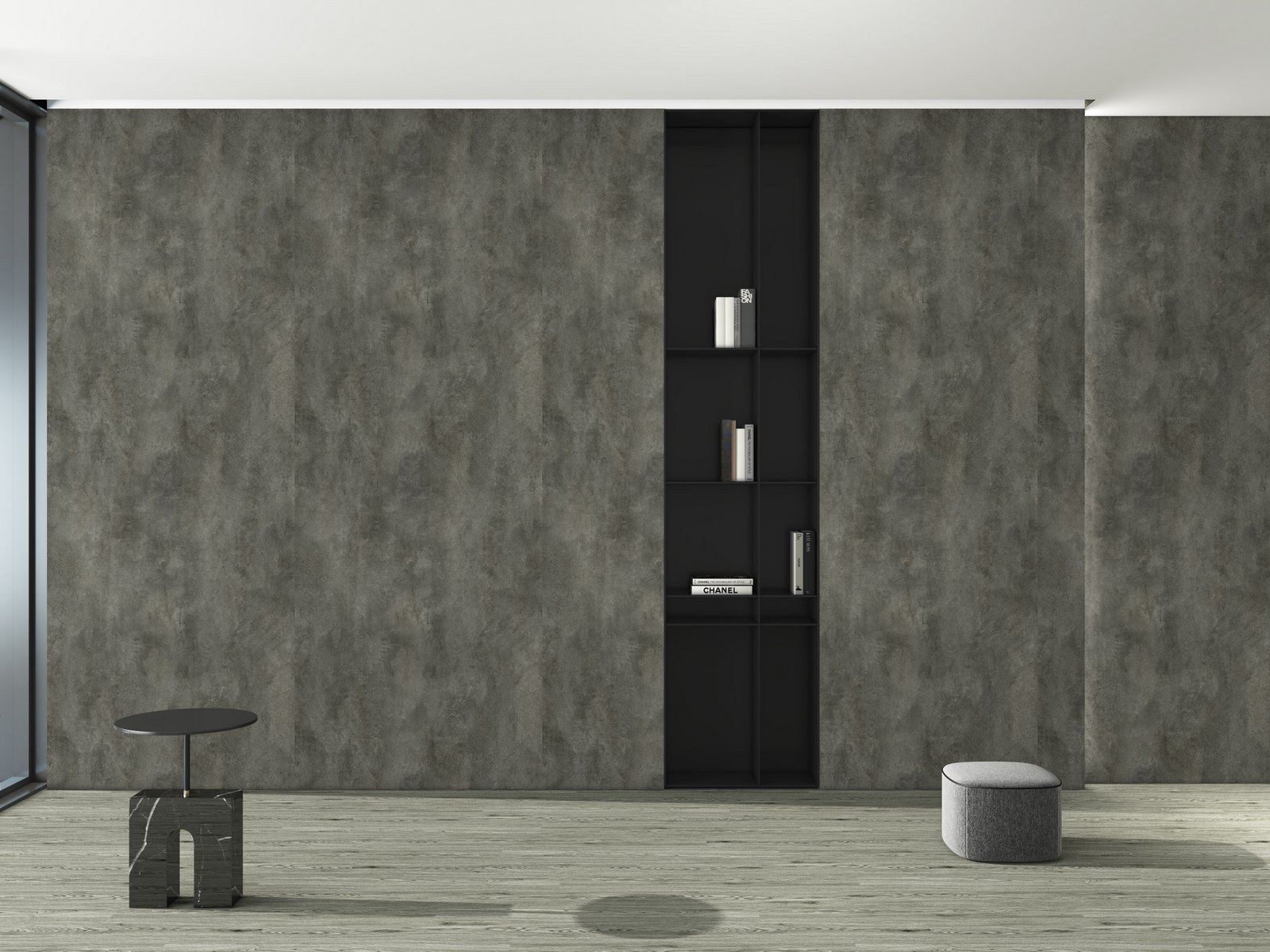
When people plan a bathroom renovation, they usually compare finishes first. In reality, the biggest budget shock is often the demolition phase: breaking old ceramic, removing debris, repairing the substrate, and losing extra time before the new finish can even start.
That is why the question behind SPC Advantages in Bathroom Renovation over Ceramic Tiles is not only about appearance. It is about cost control, speed, and future flexibility.
Why ceramic demolition often becomes the expensive part
Old ceramic removal is not just a "surface change." It usually means:
- labor for breaking and removing bonded tile
- dust/noise and protection work for adjacent areas
- waste collection and transport
- substrate repair before the next finish
- extra downtime before the bathroom is usable again
In many projects, this phase consumes a large part of the budget before the new material starts adding visible value.
The economic renovation path: install over existing ceramic (when suitable)
A major advantage of SPC wall panel bathroom renovation is that, in many projects, the new system can be planned over existing ceramic instead of starting with full demolition.
This is the practical idea behind bathroom renovation without demolition: keep the stable layer, prepare it correctly, and build the new finish over it.
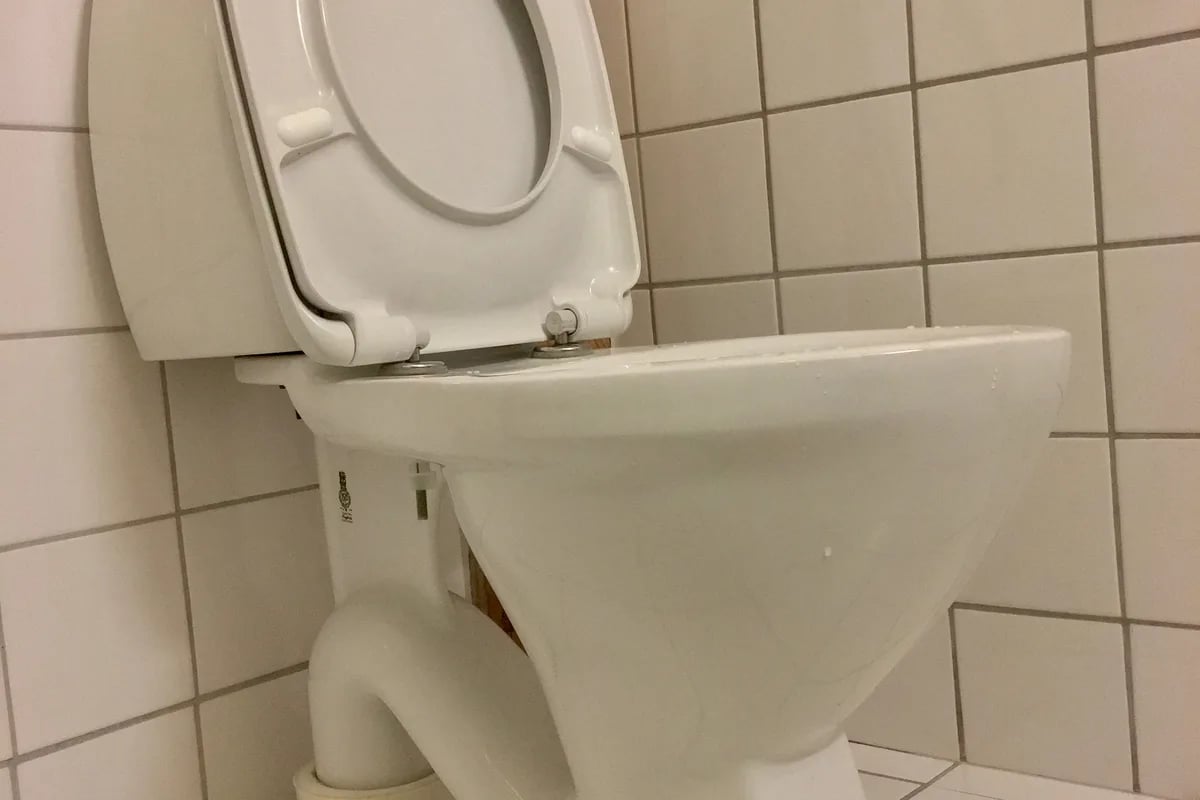
Important condition: not every surface is automatically suitable
The "install over tile" approach is strong, but it is not a blind shortcut. The existing ceramic surface should be checked for:
- sound bonding (no loose/hollow areas)
- dry and stable substrate conditions
- acceptable flatness/plumb for the target finish
- no active water leakage behind the surface
- proper detail planning at corners, fixtures, and transitions
If these checks fail, local repair or different preparation may still be necessary.
Why this matters so much in bathroom budgets
If the old ceramic can remain in place, the project can reduce:
- demolition labor
- debris handling
- timeline risk
- disruption to the household or facility
This does not mean "free renovation." It means more of the budget can go into the visible upgrade instead of demolition and cleanup.
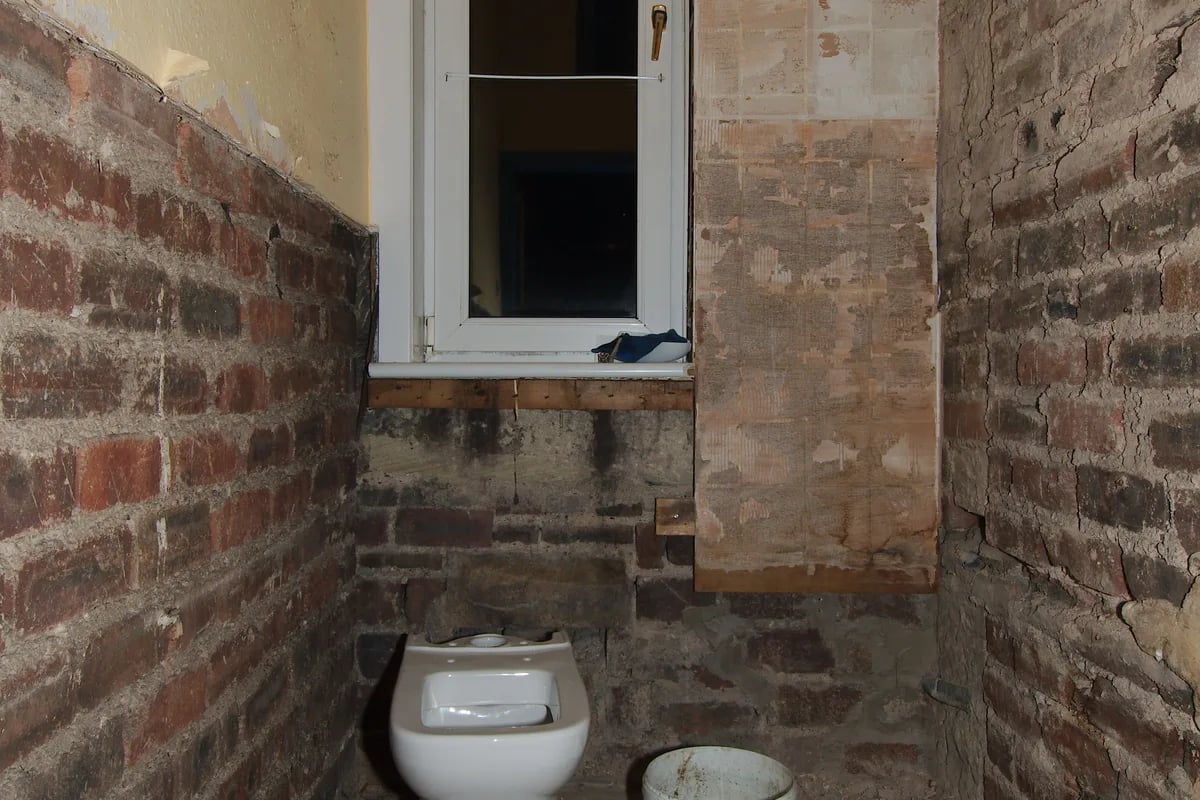
Quick visual overview (SPC bathroom renovation concept)
The video below is a short informational reel format overview to support the comparison:
Ceramic over ceramic vs SPC overlay: why the comparison matters
Some projects consider tile-on-tile (ceramic over existing ceramic) as a way to avoid demolition. That can be an option in some cases, but it is not always a long-term answer.
Key practical differences to consider:
- Build-up and transitions: each new ceramic layer can complicate thresholds and fixture interfaces.
- Weight/load: another ceramic layer adds more weight than a lighter panel/overlay-based finish approach.
- Future intervention: when ceramic needs replacement later, removal is still typically demolition-heavy.
This is where SPC-based renovation can be attractive: the project can aim for a demolition-light path now, and potentially a less destructive update path later.
Important system distinction: wall panels vs floors
This is where many comparisons get mixed up, so it is worth being precise.
- SPC wall panels in Kermit applications are a glue-down wall system.
- SPC stone-look flooring can be a click-system floor solution.
So if someone says "SPC is easy because of click," that can be true for the flooring system, but the wall panel system should be discussed with its actual installation method (glue-down).
Even with that distinction, the core renovation benefit remains: compared to ceramic replacement, both wall and floor SPC solutions can support a less demolition-dependent renovation plan on suitable existing surfaces.
Matching wall + floor colors is a real advantage in bathroom redesign
A common design problem in bathroom renovation is this: even when the contractor finds a practical wall solution, the floor ends up looking unrelated.
Kermit has a useful advantage here: several wall panel colors match stone-collection floor colors. That makes it easier to plan a coordinated look when the project renovates both surfaces together.
Examples of matching names across wall panels and stone collection floors include:
- Anthracite Concrete (wall panel
604/ stone floorN-604) - Concrete Light Grey (wall panel
603/ stone floorN-603) - Concrete Grey (wall panel
601/ stone floorN-601) - Microcement Silver (wall panel
602/ stone floorN-602) - Statuario Bianco (wall panel
611/ stone floorN-611)
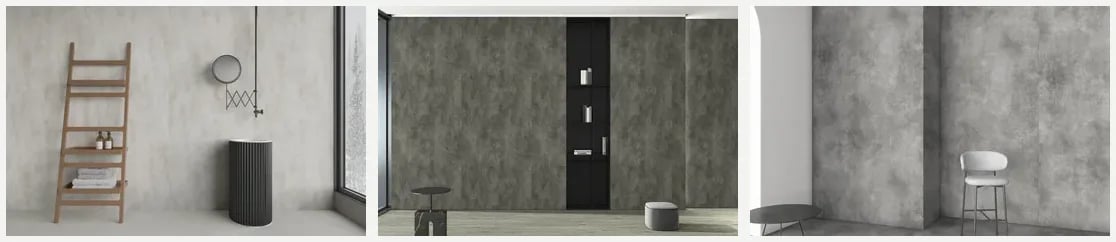
If your project starts with walls, you can review the SPC Wall Panels collection. If you also want a coordinated stone look on the floor, check the SPC Parquet Stone Collection.
Future replacement is where ceramic becomes painful again
A recurring renovation concern is not only the first installation, but the next change.
With ceramic, replacement usually means:
- breaking the old layer
- removing bonded pieces and adhesive residues
- preparing the surface again before re-finishing
With SPC-based systems, the future intervention path can be less destructive, depending on the application area and installation method. In practical terms, this often means easier renewal planning compared to another demolition-heavy ceramic cycle.
Who benefits most from this approach?
This comparison is especially useful for:
- homeowners trying to control renovation budget and downtime
- rental property upgrades where speed matters
- hospitality/light-commercial refresh projects that need a cleaner renovation process
- projects that want a coordinated wall + floor stone look without fully rebuilding every layer
Practical planning checklist before choosing SPC over ceramic
Before final material selection, confirm these points with the installer/team:
- Is the existing ceramic surface stable enough for overlay application?
- Are there leakage, humidity, or substrate issues that must be fixed first?
- What are the transition details at doors, shower areas, and fixtures?
- Which surfaces will use glue-down wall panels vs click-system SPC flooring?
- Is a matching wall-floor color combination available for the target design?
This checklist keeps the project grounded in site reality, not just catalog visuals.
Final takeaway
For many bathroom projects, the biggest advantage of SPC is not only the surface itself. It is the ability to build a more economical, cleaner, and more flexible renovation strategy by reducing dependence on ceramic demolition where the existing surface is suitable.
That is why, in a practical renovation comparison, SPC can be a smarter path than ceramic replacement for both budget control and long-term manageability.