
August 15, 2026

Yasin Bayram
Construction Expert with 30 years of experience
SPC Flooring Cost: 7 Factors That Drive the Price per m²
What actually shapes SPC flooring cost: plank thickness, wear layer, click system, decor quality, underlay, installation, and logistics — plus how to compare quotes fairly.
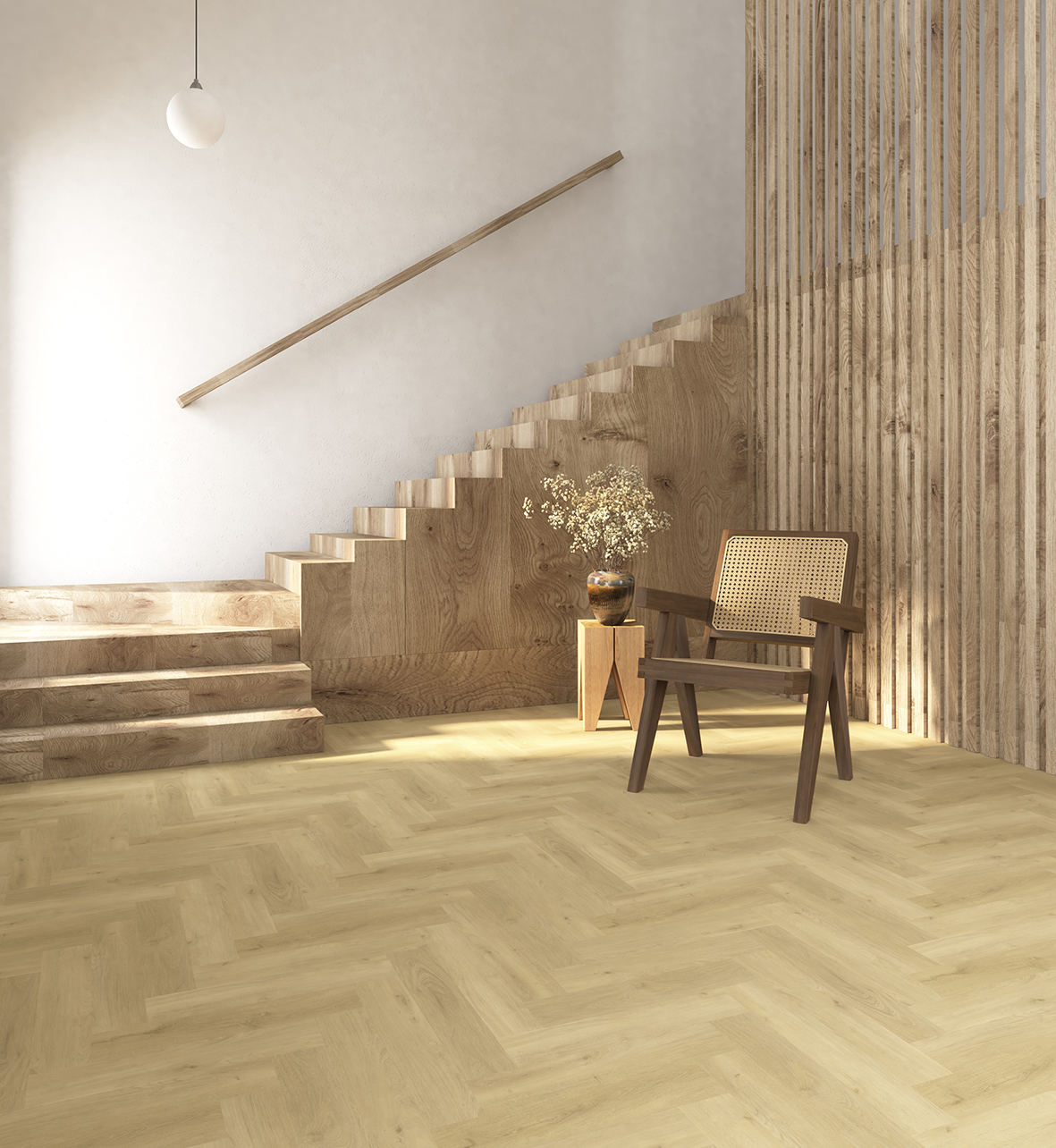
Everyone researching SPC flooring cost starts with the same question: "What is the price per square meter?" After 30 years of specifying and installing floors, I have to give you the honest answer first: there is no single number — and any supplier who throws one at you without asking about your project is guessing.
Two quotes with the same headline figure can describe completely different floors. Different thickness, different wear layer, different locking system, different decor quality — plus whatever is (or is not) included for underlay, skirting, installation, and delivery. Like most project-oriented manufacturers, Kermit Floor confirms pricing only through a written project quotation, because the number follows the specification.
What I can give you here is more useful than a stale price list: the seven factors that actually move the m² price, and a checklist for comparing quotes on equal terms.
Why there is no single SPC flooring price per m²
The SPC flooring price per m2 is a result, not a starting point. A 5 mm board with a 0,30 mm wear layer for a bedroom and a 7 mm, class-33 board with a 0,50 mm wear layer for a restaurant are both "SPC flooring" — but they are different products with different material content, and they are priced accordingly.
So when you collect quotes, never compare the top-line number first. Compare the specification behind it. These are the seven lines that matter.
1. Total thickness and core construction
SPC collections typically come in several thickness options — in Kermit's flooring series, 5 mm, 6 mm, and 7 mm depending on the collection. A thicker plank means more raw material per square meter: more stone-polymer core, more weight, more board.
What thickness buys you in practice:
- Stiffer, more solid feel underfoot and better bridging tolerance
- More substance in the click joint itself
- Different transition and door-clearance details on site
What it does not automatically buy you is wear resistance — that lives in the wear layer, which is why factor 2 matters more for durability than raw thickness.
2. Wear layer and utility class: where durability is priced
If you compare only one line across quotes, make it this one. The wear layer is the transparent protective film on top of the decor, and it is the single biggest driver of both service life and price. Kermit flooring series offer 0,30 mm wear layer options for residential use and 0,50 mm options for heavy-traffic and commercial work, paired with utility class 23 / 33 ratings.
The practical reading:
- Class 23 / 0,30 mm — bedrooms, living rooms, normal homes
- Class 33 / 0,50 mm — cafes, restaurants, offices, retail, corridors
A commercial project specified on the cheapest residential board is not a saving; it is a deferred replacement cost. Conversely, paying for a commercial wear layer in a guest bedroom buys you nothing you will ever feel. Matching class to traffic is where budget is actually optimized.
3. Locking system and edge profile
The click system is easy to overlook on a quote because it has no line item — but it is engineered into the price. Licensed, precision-milled locking systems such as UniClic / I4F cost more to produce than generic copies, and they behave differently on site: joints engage at the correct angle, hold under load, and stay closed through seasonal movement.
Edge profile is the second half of this factor. A micro bevel / V-groove edge defines each plank visually and is far more forgiving of micro-level differences between boards than a sharp square edge. Cheap boards save money exactly here — in milling precision — and the bill arrives later as open joints and stressed locks.
4. Decor and print quality
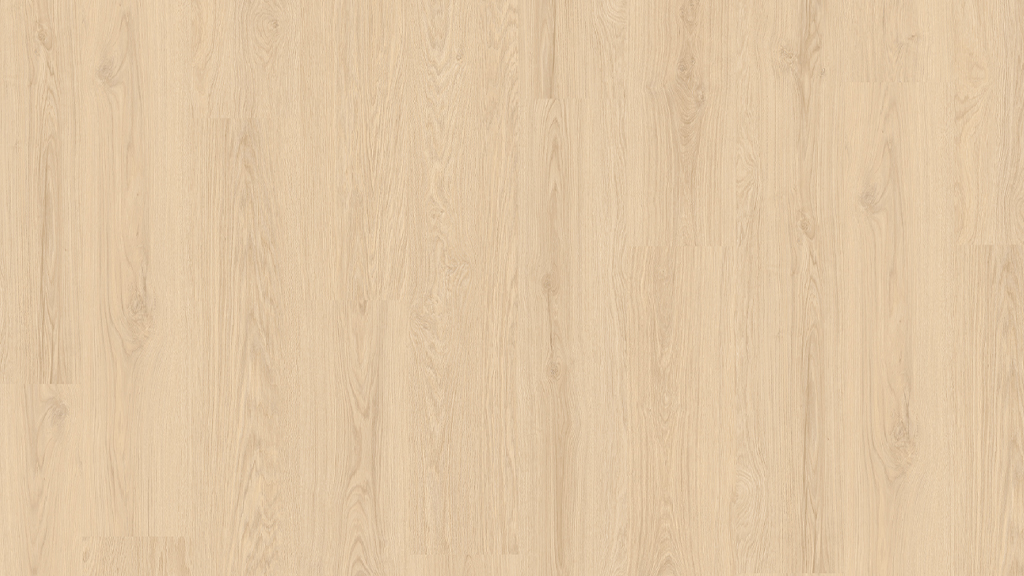
Two boards can share identical core specs and still differ in price because of what you see: the decorative film. Print sharpness, color depth, texture registration (where the embossed grain follows the printed grain), and the number of distinct plank visuals before the pattern repeats all cost money to produce well — and all show every day after installation.
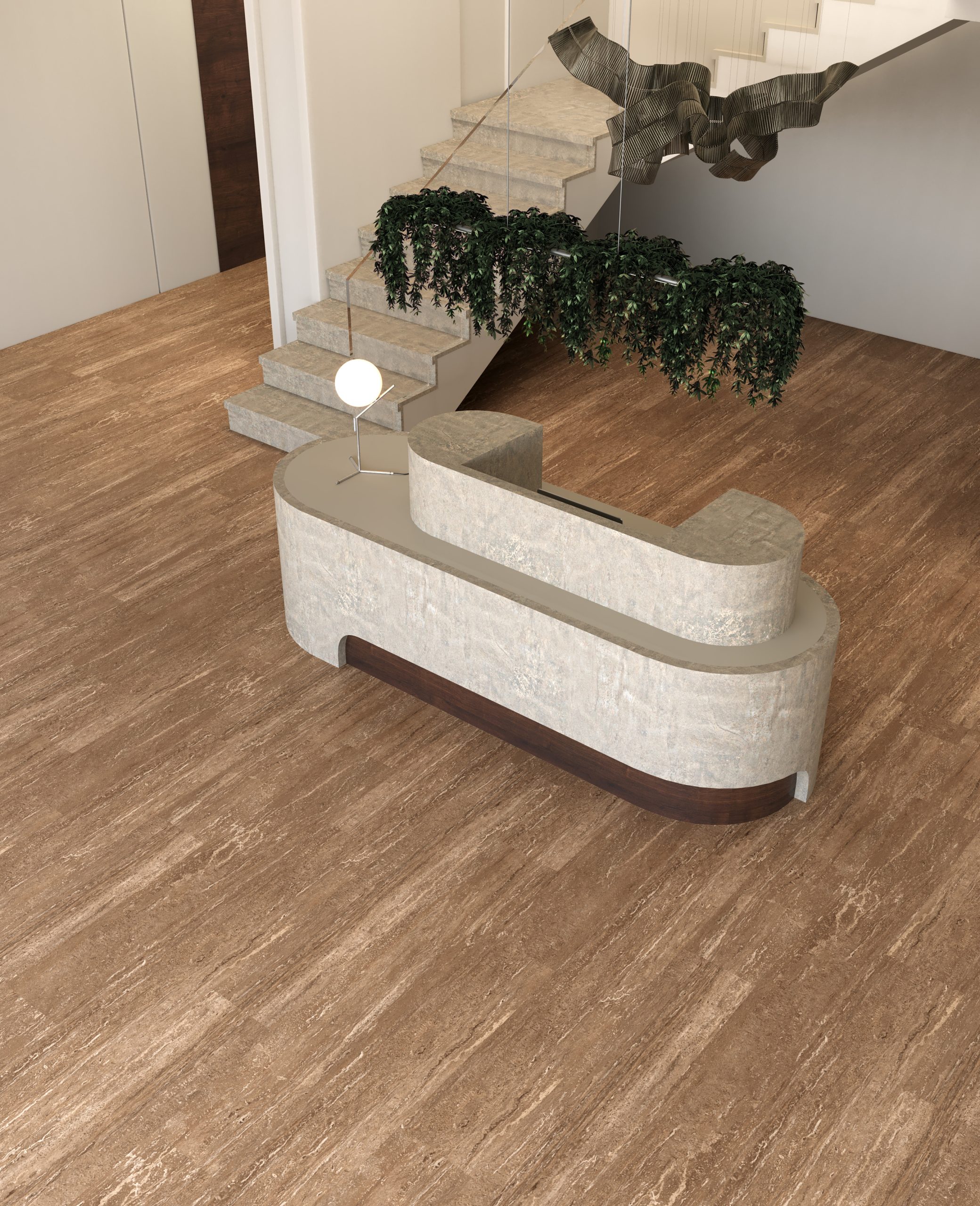
This is also where collection choice comes in. Wood-look series, stone and travertine looks, and patterned mosaic designs are different print programs. My field advice: judge decor from a full-size board in daylight, never from a screen thumbnail, and ask how many different plank faces a decor has — fewer faces means visible repetition across a large floor.
5. Underlay and acoustics: included or extra?
Acoustic comfort has a price line whether you see it or not. Some boards ship bare and need a separate underlay purchased and installed; others arrive with it attached. Kermit SPC flooring collections include 1 mm or 1,5 mm IXPE underlay on the plank, which does three things to your budget:
- removes a separate material line from the quote
- removes a separate installation step from the labor bill
- locks in sound absorption performance as a product property, not a site improvisation
When you compare two m² prices, always ask whether underlay is included. A cheaper bare board plus separately sourced underlay frequently lands at the same installed cost — with more room for error.
6. Subfloor preparation and installation
Here is the factor most price comparisons quietly ignore: the m² material price is only part of the installed cost. SPC is a rigid board and demands a flat, dry, clean subfloor. Where the existing surface fails the straightedge test, a self-leveling screed goes in before the first plank — material plus labor.
The realistic installed-cost picture includes:
- subfloor assessment and, where needed, self-leveling preparation
- removal or leveling of the old floor covering
- installation labor (click systems are fast, which works in your favor)
- expansion profiles at door thresholds and large areas
- skirting and finishing details — factor 7 below
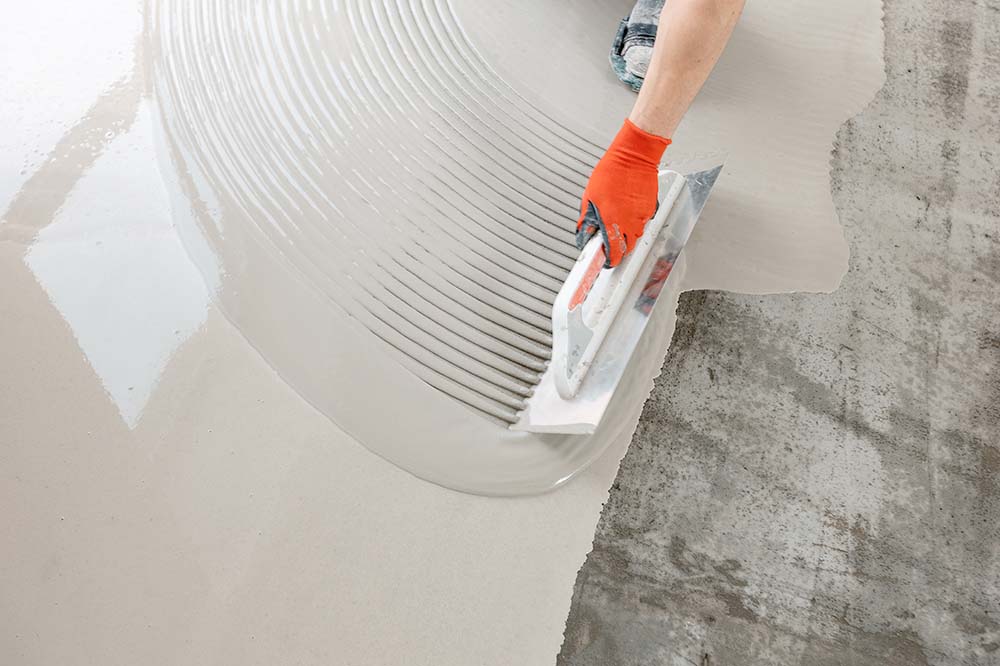
The good news inside this factor: click-lock SPC installs dust-free and fast, and it can often go over existing sound ceramic with only grout-line leveling. On renovation projects, avoiding demolition and disposal is frequently where the real budget is won.
7. Skirting, profiles, and logistics — the finishing lines
A floor is not finished at the last plank. SPC skirting board prices, transition profiles, and delivery belong inside any honest budget conversation:
- Skirting boards cover the mandatory expansion gap and define the wall–floor line. Kermit's SPC skirting family runs from 60 mm to 140 mm heights in 2500 mm lengths (Optima 90 at 2400 mm), with flexible edges that sit cleanly against imperfect walls and reduce silicone correction work.
- Profiles handle thresholds, stairs, and transitions between surfaces.
- Logistics — volume, palletization, delivery distance, and lead time — moves the final number meaningfully, especially for dealers and multi-site projects. SPC is a heavy, dense product; transport is a real cost line, and consolidated project orders price better than drip-feed purchases.
Wall finishes follow the same logic: if your project also includes feature walls, SPC wall panel pricing is driven by the same variables — thickness, decor program, and profile design. It is worth bundling both into one project conversation; the SPC wall panels range shares the same material family.

How to compare SPC flooring quotes fairly
Before you sign anything, put every quote through the same seven questions:
- Thickness — 5, 6, or 7 mm? Which collection?
- Wear layer and class — 0,30 mm or 0,50 mm? Class 23 or 33? Does it match the traffic?
- Locking system — a licensed, named system (UniClic / I4F) or an unnamed copy?
- Decor — seen as a full board? How many plank faces?
- Underlay — attached IXPE included, or a separate line?
- Installation scope — is subfloor preparation included? Old floor removal? Profiles?
- Finishing and delivery — skirting, profiles, transport, and lead time on the quote?
Two quotes that answer all seven identically can be compared on price. Until then, you are comparing specifications — which is exactly what you should be doing.
The right next step: a project-specific quote
If this guide has done its job, you now know why the correct answer to "what does SPC flooring cost?" is always a question back: which board, for which room, on which subfloor, at which volume?
That is precisely the conversation our team has every day with installers, dealers, architects, and project buyers. Send us your approximate square meters, the space type (home, hotel, cafe, office, retail), and your target collection — we will come back with a specification-matched, written quotation. The fastest route is the contact page: form, phone, or WhatsApp, whichever suits you. If you are still comparing collections, the technical documents under Resources have the full spec tables side by side.