
October 01, 2026

Yasin Bayram
Construction Expert with 30 years of experience
SPC Flooring Alternatives: Compare Tile, Wood, Carpet, Cork and Bamboo
Compare SPC with ceramic tile, wood, carpet, cork and bamboo by room, installation, care and repair. Choose a complete floor specification, not just a material name.
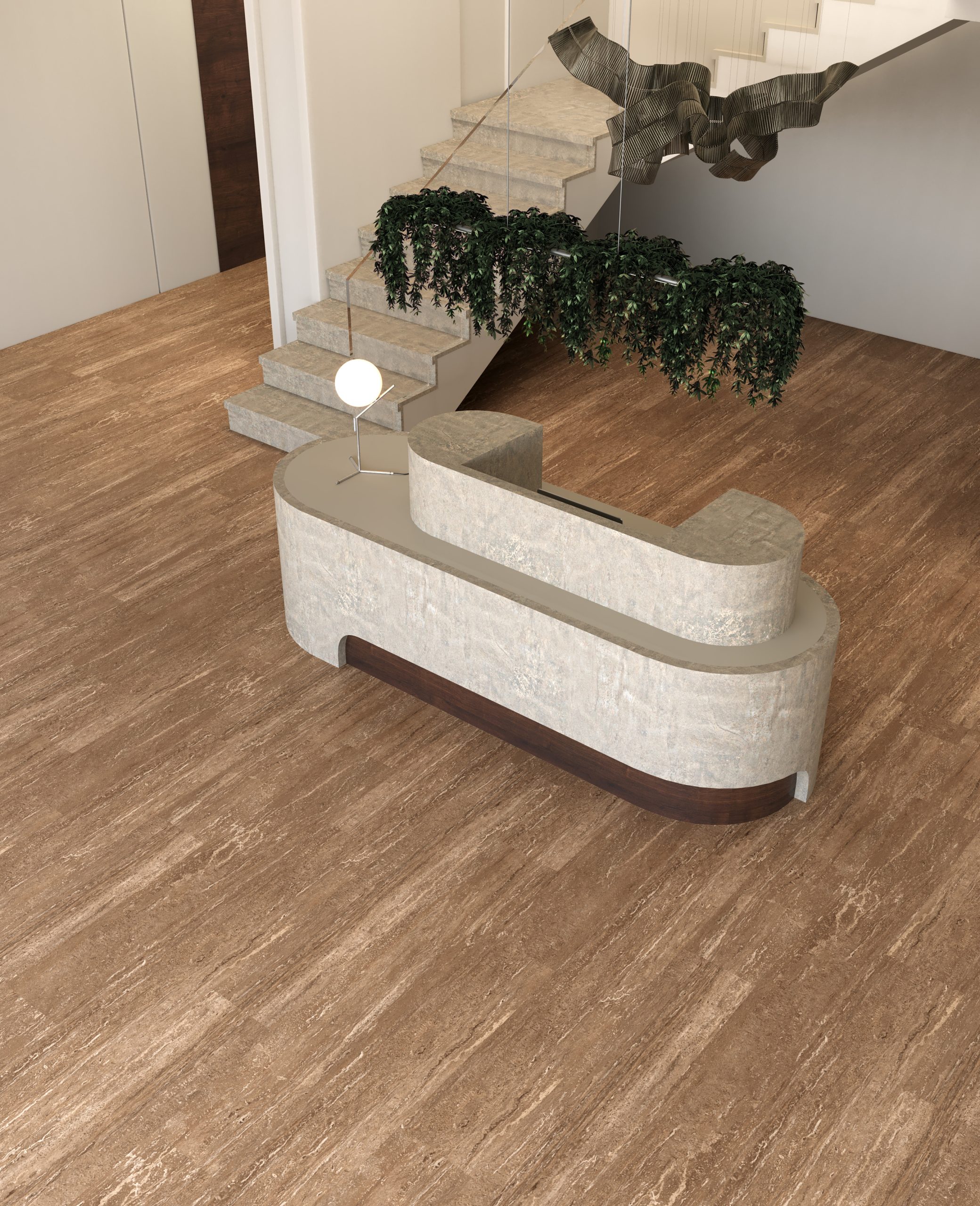
SPC, ceramic tile, timber and carpet can each make sense in a different flooring brief. Start with the room's moisture exposure, maintenance routine, installation conditions and the surface you want to live with. A material name alone cannot tell you the complete installed cost, sound performance or service life.
Kermit SPC flooring belongs in suitable, temperature-controlled indoor spaces. Its installation guide does not recommend it for bathroom floors, outdoor use, pools, saunas or areas washed down with a hose. A material comparison should respect those boundaries before considering colours or price.
Compare the job each floor must do
| Material | A useful reason to consider it | Check before choosing |
|---|---|---|
| SPC flooring | A decorative rigid-core surface with a floating click installation in the selected configuration | Subfloor acceptance, movement gaps, backing and room suitability |
| Ceramic or porcelain tile | A tiled finish where an appropriate floor assembly can be specified | Substrate, tile suitability, joints and any waterproofing system |
| Solid or engineered timber | A real wood surface and a wood-specific maintenance approach | Construction, finish, moisture conditions and permitted renewal work |
| Carpet | A textile surface when that feel suits the room | Fibre, backing, cleaning plan, chair use and any required acoustic evidence |
| Cork flooring | A cork-based option to assess through a physical sample | Exact construction, finish, water limits and repair method |
| Bamboo flooring | A bamboo-based option where the specified product suits the brief | Construction, installation method, moisture limits and refinishing instructions |
This is a shortlist, not a ranking. Compare two actual products and complete installation proposals rather than assigning one permanent score to an entire material family. For the common SPC-versus-laminate question, use the separate laminate comparison; for overlapping vinyl names, use SPC, LVT and WPC terminology.
SPC or ceramic: begin with the room and build-up
In a living room, the decision may turn on finished height, preferred appearance, substrate preparation and future access. In a shower area, the first decision is a suitable wet-area assembly, not whether the visible finish resembles stone. Kermit's SPC flooring bathroom limit still applies even when a tile-look decor is selected.
Tile also needs a system around it. The Tile Council of North America's shower guidance discusses waterproof membrane and backing compatibility. That is a useful reminder to specify the assembly with its manufacturers and designer; a tile sample by itself is not a waterproofing design.
Ask each installer to describe removal of the existing finish, preparation, thresholds, movement details and usable-room handover. A floating floor can be attractive for a refurbishment, but “floating” does not mean it can bridge an unsuitable base. Kermit's manual requires a clean, dry, firm substrate with unevenness no greater than 2 mm over 1 m.
SPC or wood: decide how you want the surface to age
A wood-look SPC decor and a real timber surface may look related in a small sample while calling for different ownership decisions. Do you want a particular wood species and finish? Is future surface renewal important? What maintenance is practical for the household or tenant? Ask these questions before comparing the ticket price.
The National Wood Flooring Association's maintenance advice recommends routine dirt removal, prompt spill cleaning and cleaners suited to the finish; it advises against wet and steam mopping. It also discusses recoating. Ask the wood supplier what renewal is possible for the exact construction and condition, rather than assuming every engineered floor can be sanded repeatedly.
Do not apply a timber sanding plan to decorative SPC. For a scratch or damaged plank, assess the particular floor and repair options with the supplier. Keep the product reference and usable spare planks; the Kermit care guide shows what to record when seeking help.
SPC or carpet: compare daily routines and sound evidence
Feel a representative sample and consider the actual room use: dining chairs, rolling office chairs, outdoor grit, spill frequency and cleaning access. A bedroom and a busy entrance need not receive the same finish simply because they share a floor plan.
The Carpet and Rug Institute's care guide emphasizes routine vacuuming, prompt spot treatment and periodic deep cleaning. Compare that commitment with Kermit's damp-cloth or damp-mop care instructions, using a suitable mild cleaner and leaving no standing water.
For either surface, distinguish the sound you hear in the room from sound transmitted through the building. A softer feel or an attached pad does not supply a tested rating for your floor assembly. Kermit's published 6 mm no-IXPE configuration has no declared acoustic performance; request applicable evidence where sound is a project requirement.
Where cork and bamboo fit in the shortlist
If cork or bamboo appeals to you, ask for the same complete product record: construction, thickness, backing, installation method, intended rooms and maintenance instructions. Clarify whether the offered product is solid, layered or combined with another core. Have the supplier explain local damage repair and any limits on surface renewal.
Test samples together under the room's lighting and consider how each meets the intended use. Do not treat “natural,” “rigid” or “premium” as an emissions result, scratch guarantee or lifespan. Those claims need their own relevant evidence.
Use one comparison sheet for the final two options
Record the room and exclusions, selected product, floor build-up, preparation, movement details, cleaning regime, repair approach and warranty terms supplied. Price the same completed scope, including removal, preparation, accessories, labour, delivery and applicable taxes. The cost guide provides a worked comparison structure without pretending there is a single universal installed price.
For underfloor heating, obtain approval for the selected product and complete assembly. Kermit's maximum finished-floor surface temperature is 27°C for an approved heating application. Another material's limit should come from its own instructions; do not transfer this number to a different floor.
Flooring comparison questions
Is SPC always better than ceramic tile?
No. Room exposure and the complete floor assembly come first. Kermit SPC flooring is not recommended for bathroom floors, while a tiled wet area needs its own suitable substrate and waterproofing design.
Can SPC be sanded like a wood floor?
Do not plan to sand decorative SPC as a timber floor. Ask about the selected product's repair options and retain identifiable spare planks. Wood renewal also depends on the exact construction and finish.
Which material is cheapest when installed?
There is no universal answer. Compare current quotations for the same measured area, preparation, accessories, labour, delivery and tax scope. The visible floor price is only one part of the project.
Does attached underlay guarantee a quiet floor?
No. Sound performance depends on the tested assembly. Confirm the backing and relevant acoustic evidence for the actual specification instead of judging by the presence of a pad alone.