
August 15, 2026

Yasin Bayram
Construction Expert with 30 years of experience
SPC Flooring User Reviews: The 5 Themes Real Users and Installers Talk About
An honest, field-based reading of SPC flooring user reviews: water resistance, click installation, durability vs laminate, acoustics, and cleaning — checked against real specs.
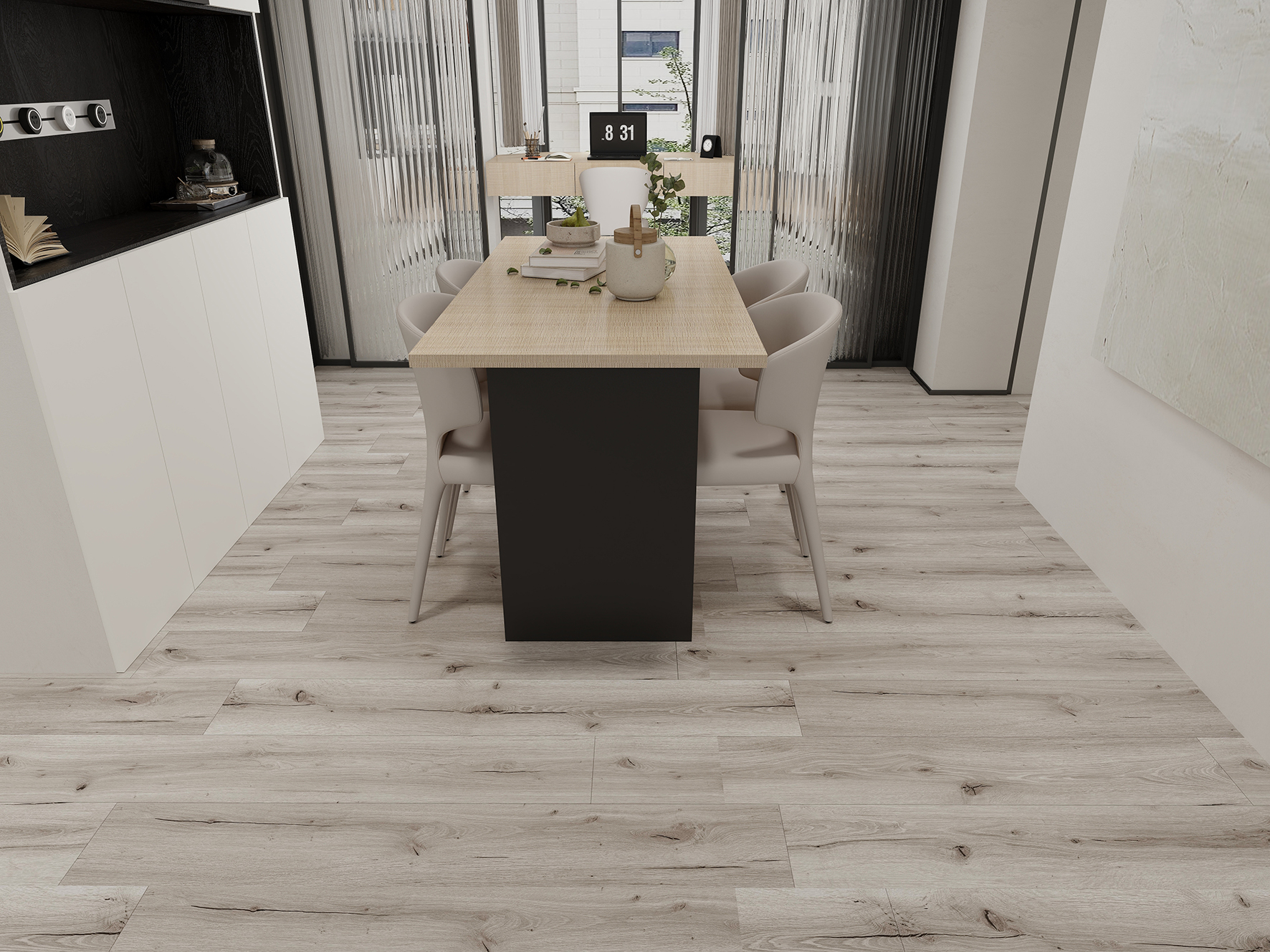
Type SPC flooring user reviews into a search engine and you will find a familiar split: five-star praise sitting next to one-star warnings, often about products that are technically very similar. After 30 years on flooring job sites, I can tell you the difference is rarely the plank itself. It is almost always the match — or mismatch — between the product, the room, the subfloor, and the expectations.
This article is not a wall of cherry-picked testimonials. It is a field evaluation of the themes that real users, installers, and project buyers raise most often about SPC flooring: water resistance, click installation, durability, acoustics, and cleaning. Each theme is checked against the actual specifications of the SPC collections we produce at Kermit Floor, so you can separate verifiable fact from opinion.
How to read SPC flooring reviews without being misled
A star rating without context is close to useless. The same click-lock plank earns a glowing review in a kitchen renovation and a furious one in a shop where it was laid over a wavy screed. Before you weigh any review, ask three questions:
- Where was it installed? A spill-prone kitchen and a wash-down wet room are completely different tests.
- What was underneath? Most negative SPC reviews trace back to subfloor condition, not the wear layer.
- How is it cleaned? Daily damp mopping and flooding the floor with a bucket produce different outcomes over the years.
Keep those filters in mind as we walk through the five themes that dominate real SPC flooring experience reports.
1. Water resistance: the most praised — and most misunderstood — theme
This is the number-one reason users give for choosing SPC, and the reviews are right: the plank itself does not swell, bubble, or delaminate with water. That is a structural fact, not a marketing line — the core is SPC (Stone Polymer Composite), a rigid stone-based board with no wood fiber to absorb moisture.
In practice, this is what users consistently report in kitchens, entryways, and corridors: dropped pots, spilled drinks, wet shoes, and pet bowls stop being emergencies. Wipe and move on.
The honest nuance that experienced reviewers add — and that I insist on — is the difference between the plank and the floor. A click-lock SPC floor is a floating system. Water poured across it in volume, as in a wash-down bathroom routine, can migrate through the joints and sit underneath, where it cannot dry. So the correct reading of the reviews is:
- Spill-risk rooms (kitchen, dining, hallway, cafe floor): SPC is exactly the right tool.
- Wash-down wet rooms (bathroom, shower surround): specify grout-free surfaces instead; SPC wall panels or ceramic are the better detail.
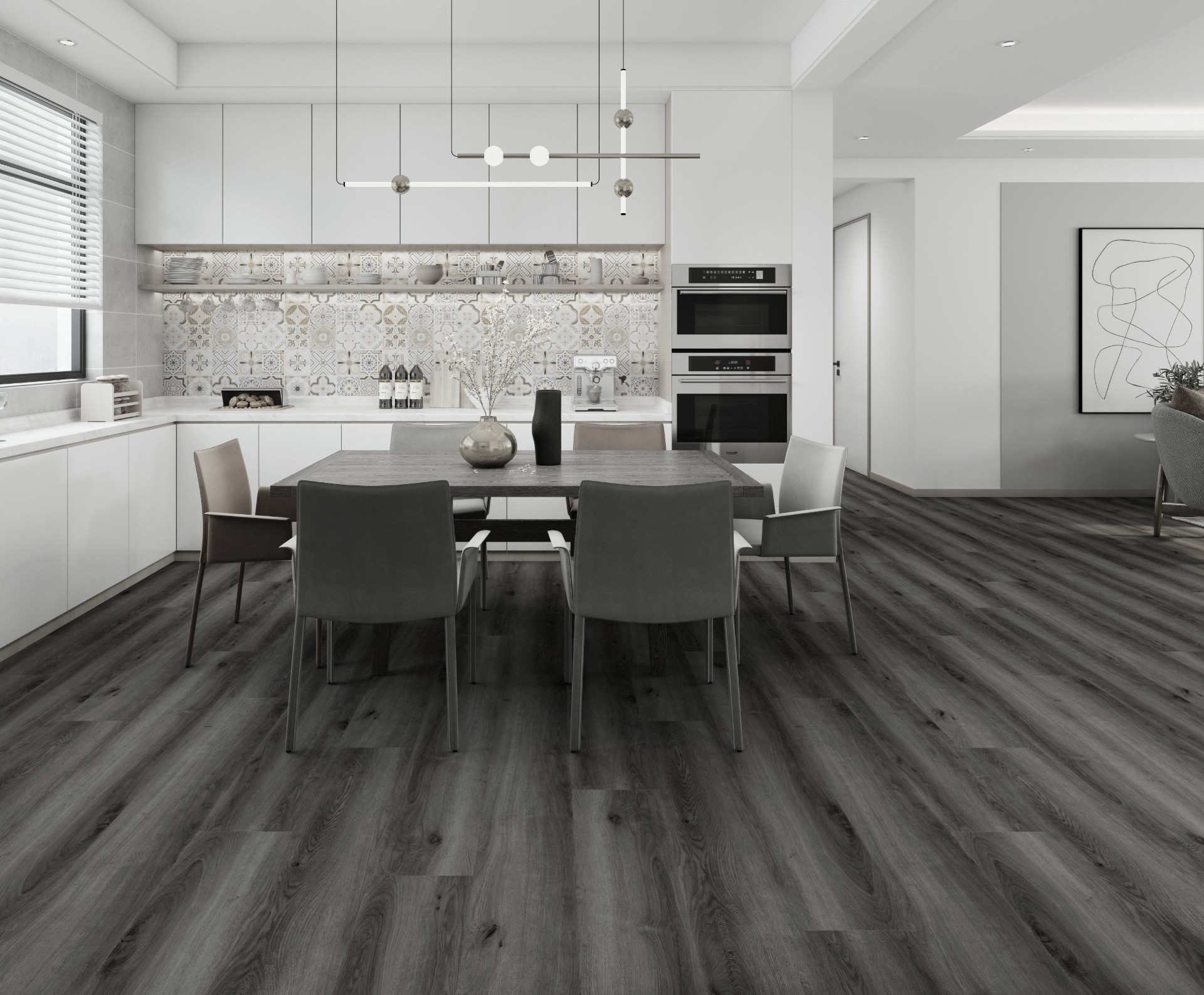
2. Click installation: fast, clean, and quieter than expected
The second most common positive theme in user and installer feedback is installation speed. Kermit SPC collections use UniClic / I4F locking systems, and the rigid core brings a practical bonus many first-time installers mention with surprise: the plank scores with a sharp utility knife and snaps cleanly. No circular saw, no dust cloud, no roaring equipment in an occupied home.
For professionals, the knock-on effects are real:
- Dust-free, quiet work — a genuine comfort upgrade in apartments, offices, and operating businesses.
- Serious daily coverage — an experienced crew lays large square meters per day with the click system.
- Clean handover — less cutting mess means less site cleanup at the end.
The counterweight that honest installers always add: the click system is unforgiving about what lies beneath. Joints engaged at the wrong angle break, and planks bridging over hollows in the subfloor flex under every footstep until the lock fails. Fast installation is real — but it is fast after the subfloor is flat, dry, and clean.
3. Durability vs laminate: where the rigid core earns its reputation
Many users arrive at SPC after a swollen or scratched laminate floor, and this comparison dominates review threads. The structural difference is the core: laminate is wood-fiber based, while SPC is stone-polymer based and impact resistant by nature. Point loads, dropped objects, chair legs, and rolling casters that dent laminate leave far less trace on a rigid SPC plank.
The specs behind the feeling, from our collection data:
- Wear layer: 0,30 mm or 0,50 mm options depending on series
- Utility class: 23 / 33 — residential through heavy commercial
- Thickness: 5 mm to 7 mm depending on series
A class-33 board with a 0,50 mm wear layer is a genuinely different product from an entry board, and reviews reflect that. Users in cafes, restaurants, offices, and retail — where traffic is relentless — report that a correctly specified SPC floor keeps its day-one appearance for years.
Two trade-offs appear in balanced reviews, and both are fair. First, the rigid stone core feels harder and cooler underfoot than laminate or WPC vinyl; most users read this as solidity, but if you want a soft, warm feel, that is a different product category. Second, the same rigidity means SPC telegraphs subfloor defects instead of hiding them — a bump laminate might forgive becomes a visible ridge or a stressed joint under SPC.
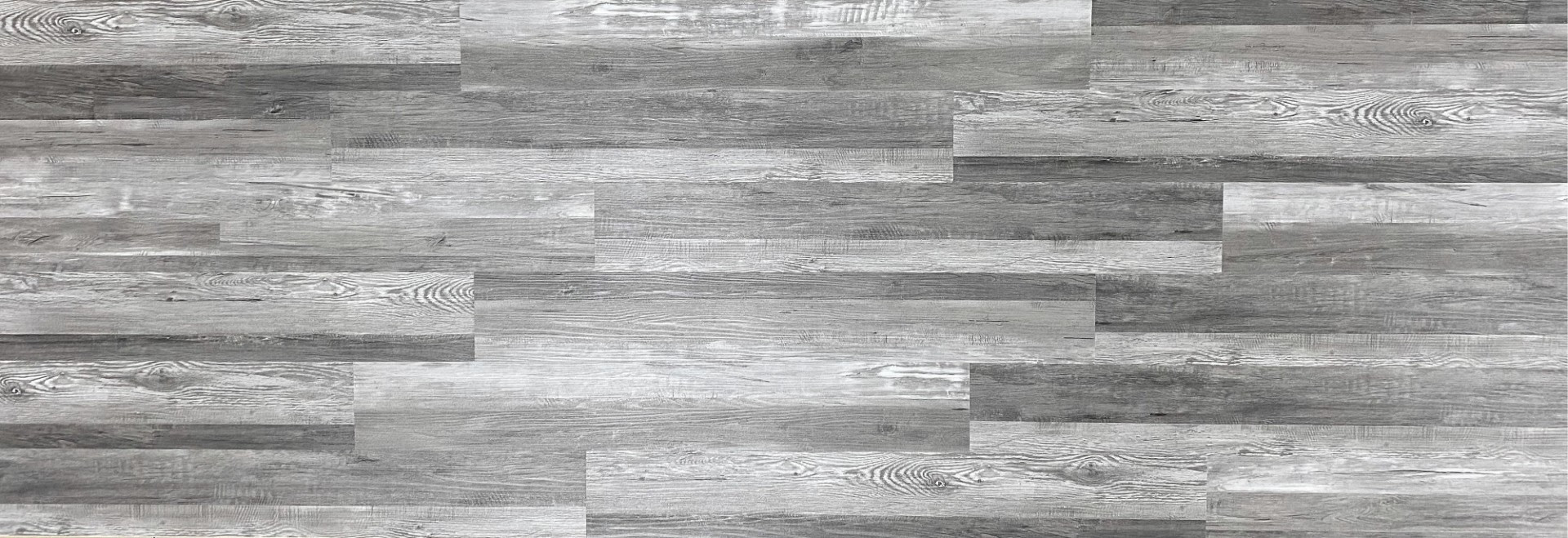
4. Acoustics and underfoot comfort: the quiet theme users notice later
Acoustic behavior rarely appears in pre-purchase questions, but it shows up constantly in post-installation reviews — especially from apartment dwellers and hotel projects. A floating rigid floor can sound hollow or clicky if it is thin and laid bare over screed.
This is where an included IXPE underlay changes the equation. Kermit SPC collections ship with 1 mm or 1,5 mm IXPE underlay attached, and the material family carries a sound absorption feature in its specification set. In real terms, users describe the result as a muted, solid step sound rather than the drum-like tap of old floating laminate.
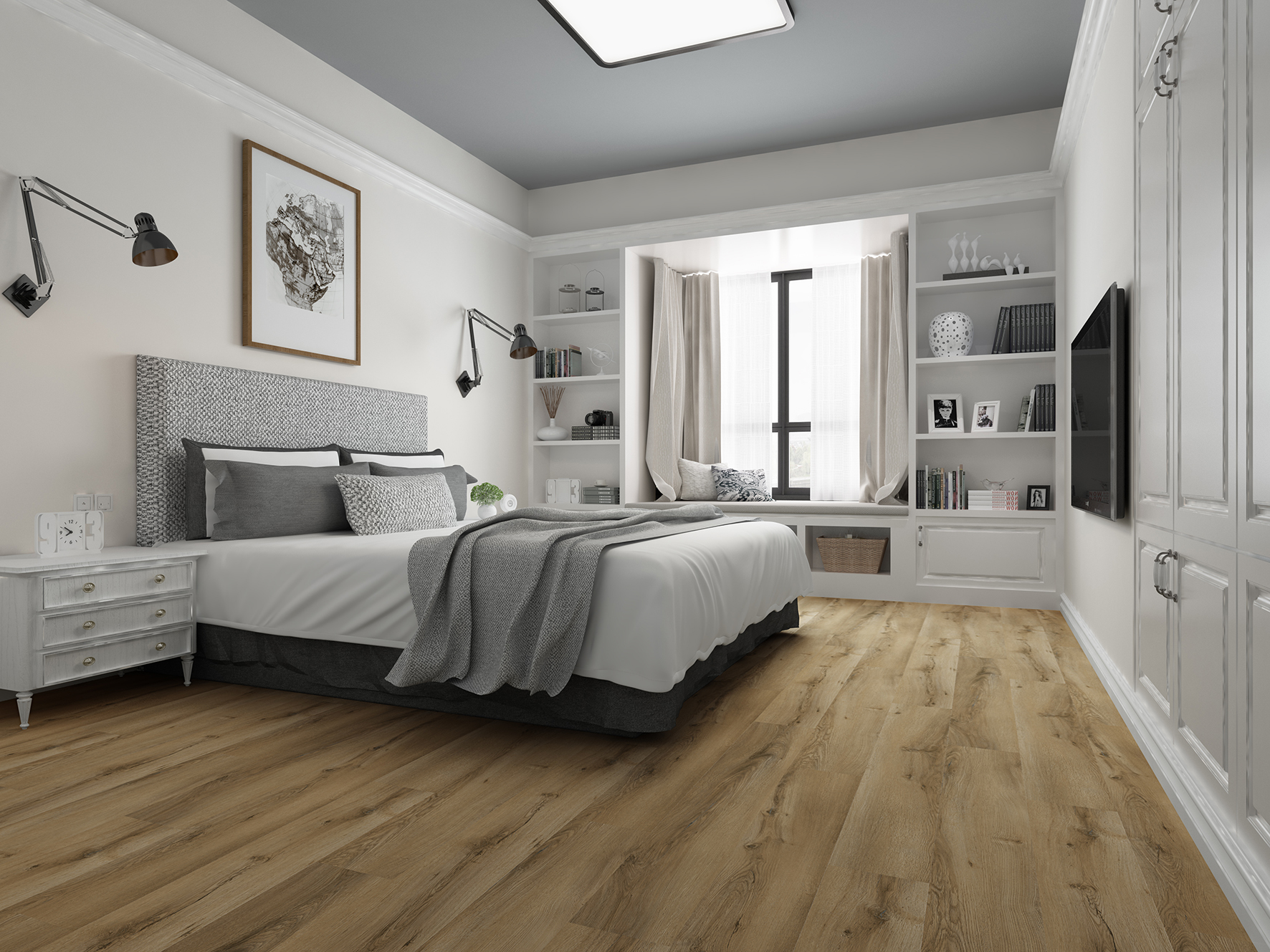
Field advice I add to every review I read: acoustics are a system, not a spec line. Underlay, subfloor flatness, and correct expansion gaps all contribute. And in high-traffic commercial rooms, felt pads under chair and table legs do more for perceived noise — and surface life — than any single product feature.
5. Cleaning and maintenance: boring, daily, and decisive
The last theme is the least glamorous and the most predictive of long-term satisfaction. Users who clean SPC the way the material wants to be cleaned report floors that look new for years; users who flood them eventually meet the underside problems described in section 1.
The routine that works, confirmed across residential and commercial feedback:
- Daily cleaning with a well-wrung damp mop or microfiber cloth
- Spills wiped promptly rather than left to sit
- pH-neutral cleaners instead of harsh or abrasive chemicals
- Felt pads under furniture legs
Two specification-level features support this theme in Kermit collections: the surface is rated anti-bacterial, and the material is phthalate free — both recurring questions from families with children and from hospitality buyers. Stone-look designs, like those in the SPC Parquet Stone Collection, also hide day-to-day dust and footprints better than very dark gloss decors, which is a small but real quality-of-life point users mention.
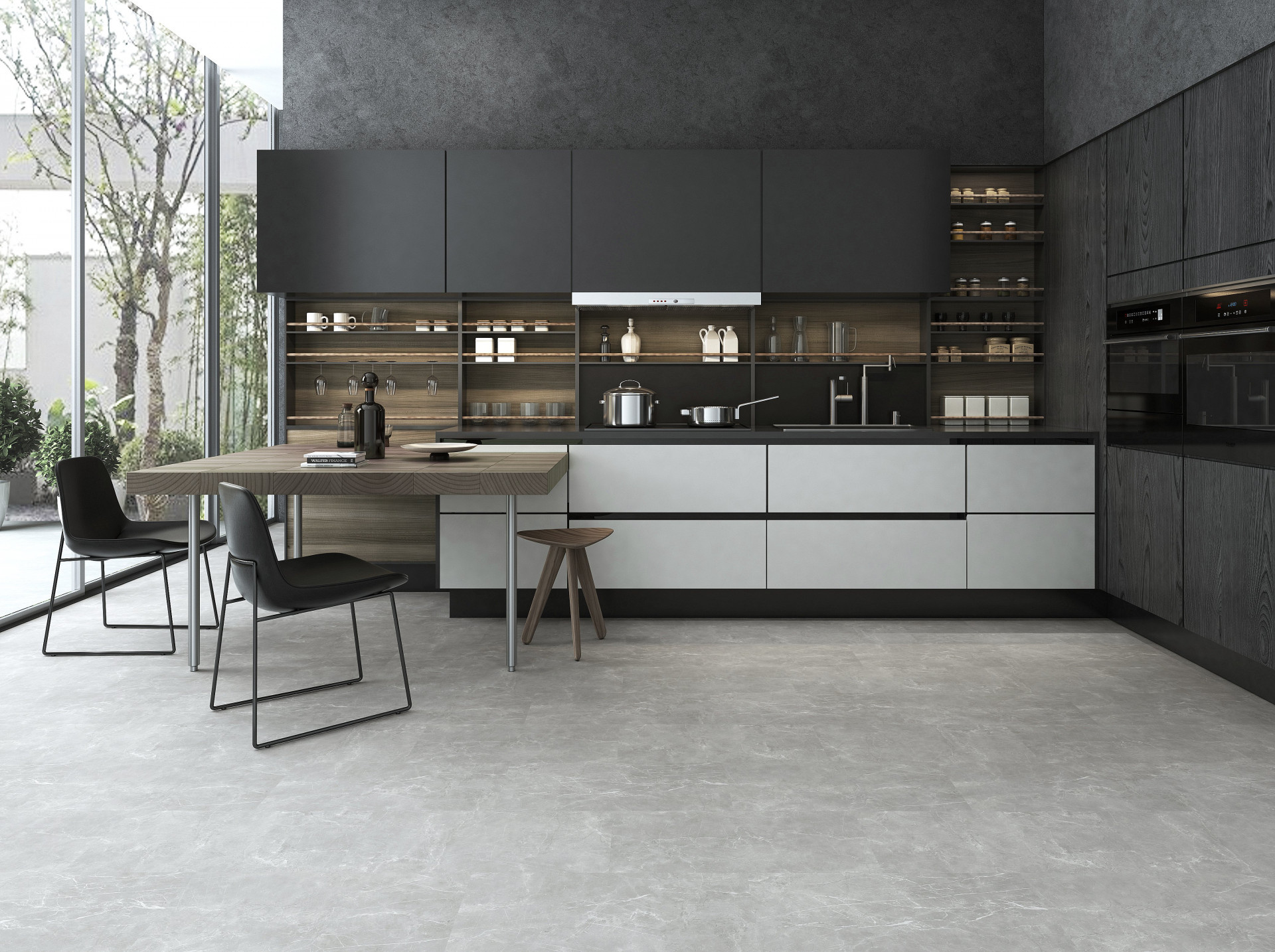
SPC flooring pros and cons at a glance
Condensing hundreds of review conversations and my own site experience into one honest list:
Where SPC genuinely wins
- Waterproof plank construction — spills stop being emergencies
- Rigid, impact resistant core that shrugs off traffic and dropped objects
- Fast, dust-free click installation
- Attached IXPE underlay for step sound and comfort
- Simple damp-mop maintenance
- Wood and stone decors that suit both homes and commercial spaces
Where you need to set expectations
- Harder, cooler underfoot feel than laminate or WPC
- Demands a flat, prepared subfloor — it hides nothing
- Not for wash-down wet rooms or outdoor areas
- Floating system — expansion gaps are non-negotiable
- Decors vary by series; check the actual board, not just the catalog photo
So, is SPC flooring worth it?
Read enough SPC flooring user reviews with a practitioner's eye and a clear pattern emerges: satisfaction tracks specification and installation quality far more than brand or price point. A flat subfloor, the right wear layer for the traffic level, honest room selection, and a damp mop — get those four right and the long-term reviews almost write themselves.
If you want to judge the material yourself, start with real boards rather than photos: the SPC Parquet Natural Collection shows the wood-look series in 5 mm and 7 mm options, and the technical documents under Resources give you the full specification tables to compare against any review claim you find online.